
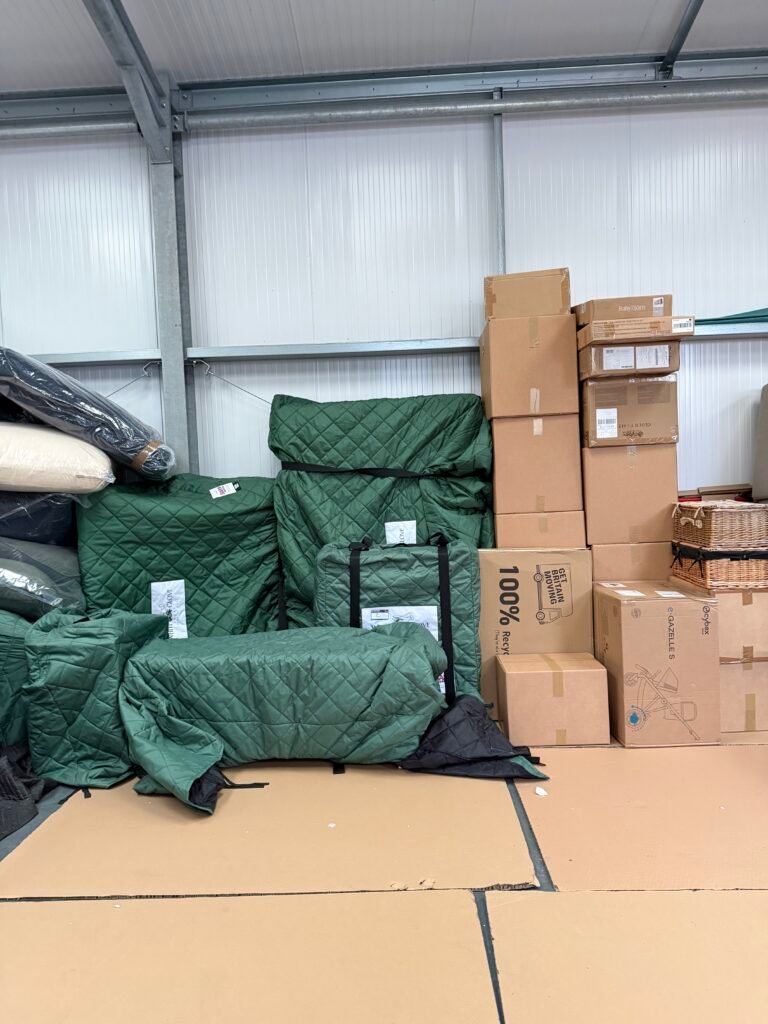
Finding extra space for your belongings can make life easier, whether you are moving house, renovating, downsizing or simply trying to reduce clutter. However, choosing the right place to store your possessions requires more than comparing prices. You need to consider security, cleanliness, accessibility, storage conditions and the level of service available.
If you are Choosing a Storage Facility in Surrey, understanding these factors can help you find a suitable solution for your household furniture, personal belongings and business items. A well-managed storage facility can provide additional space while helping you keep your possessions organised and protected.
In this guide, we explore the most important things to consider before booking a storage unit and explain how to choose a storage solution that meets your requirements.
1. Check the Security Measures
Security should be one of your main priorities when choosing a storage facility. You want to feel confident that your belongings are kept in a properly managed environment.
Before booking, ask about the security measures available at the facility.
Look for features such as:
- CCTV monitoring.
- Controlled entry systems.
- Secure perimeter fencing.
- Individual unit locks.
- Alarm systems.
- Staff or site monitoring.
It is also worth asking whether customers receive individual access codes or keys and how access is managed outside normal business hours.
If you are storing valuable furniture, electronics or personal possessions, understanding the security arrangements can help you make a more informed decision.
When Choosing a Storage Facility in Surrey, avoid relying on marketing claims alone. Ask specific questions about how the facility protects stored belongings.
2. Consider the Storage Unit Size
Selecting the correct unit size is important for both convenience and cost. A unit that is too small may leave you struggling to organise your belongings, while a much larger space could mean paying for unused capacity.
Start by making a list of the items you intend to store.
For example:
- Boxes containing clothing and personal belongings.
- Sofas, chairs and dining tables.
- Beds, wardrobes and mattresses.
- Kitchen appliances.
- Office furniture and equipment.
- Seasonal decorations and household items.
Some facilities offer different unit sizes to accommodate everything from a few boxes to the contents of an entire house.
Ask the provider whether they can recommend a suitable unit based on your inventory. You should also consider whether you need enough space to access items without moving everything around.
A little planning before Choosing a Storage Facility in Surrey can help you avoid unnecessary storage costs.
3. Look at Cleanliness and General Maintenance
The condition of a storage facility can tell you a lot about how well it is managed.
A clean, organised environment is important when storing household possessions for several weeks, months or longer.
During a visit, check whether:
- Storage areas appear clean and well maintained.
- Corridors and access routes are clear.
- There are signs of dampness or water damage.
- Units are properly maintained.
- Waste and unwanted materials are managed appropriately.
- Pest prevention measures are in place.
Dust, moisture and pests can affect certain belongings, particularly furniture, clothing, books and soft furnishings.
Ask how the facility manages dampness, ventilation and general maintenance. If possible, visit the premises before making a booking.
4. Understand the Storage Conditions
Different household items may require different storage conditions. Wooden furniture, electrical equipment, documents and fabrics can all be affected by environmental changes.
For example, excessive moisture may damage wooden furniture or encourage mould growth on textiles. Poor storage conditions can also affect paper documents and certain electronic items.
Before booking, ask about:
Temperature management: Find out whether the facility offers temperature-controlled units if your belongings require them.
Humidity and moisture: Ask how dampness is managed and whether the storage areas have suitable ventilation.
Protection from dust: Check whether units are enclosed and how stored belongings are protected from dust.
Storage suitability: Confirm that the facility can accommodate the specific items you plan to store.
Not every household needs specialist climate-controlled storage, but it may be worth considering for sensitive or valuable possessions.
5. Check Accessibility and Opening Hours
You may not need to visit your storage unit frequently, but convenient access can make a significant difference when you need to retrieve something.
Before Choosing a Storage Facility in Surrey, check its opening hours and access arrangements.
Consider these questions:
- Can you access your belongings during evenings or weekends?
- Do you need to book a visit in advance?
- Is vehicle access available near the storage unit?
- Are there lifts or trolleys for moving heavy items?
- Can you arrange access outside standard hours?
- Are there restrictions on the number of visits?
If you are storing seasonal items, business stock or belongings you may need at short notice, flexible access could be particularly useful.
Make sure you understand any access fees or restrictions before signing an agreement.
6. Compare Storage Prices and Additional Charges
Storage costs can vary depending on unit size, location, rental duration and available facilities.
Although choosing the cheapest option may seem attractive, it is important to understand exactly what you are paying for.
Ask each provider for a clear breakdown of its pricing.
Check whether the quotation includes:
- Weekly or monthly rental charges.
- Initial administration fees.
- Security deposits.
- Insurance or protection arrangements.
- Collection and delivery services.
- Additional access charges.
- Charges for extending the rental period.
Also ask whether prices can change during your storage agreement and how much notice is required if you want to end the rental.
When Choosing a Storage Facility in Surrey, compare the overall value rather than focusing only on the advertised monthly price.
7. Ask About Insurance and Liability
Before placing your belongings into storage, understand what protection is available if something is damaged, lost or stolen.
Some storage providers offer insurance options, while others may require customers to arrange their own cover.
Ask about:
- Whether insurance is included in the rental price.
- What types of damage or loss are covered.
- Whether valuable belongings need to be declared.
- Any exclusions or limits.
- Whether your existing home insurance covers stored possessions.
Read the relevant terms carefully and keep an inventory of the items you place into storage. Photographing valuable furniture and equipment before storage can also provide a useful record of their condition.
Do not assume that all belongings are automatically insured.
8. Consider Collection and Delivery Services
Transporting furniture, appliances and heavy boxes into storage can be difficult, especially if you do not have a suitable vehicle.
Some storage providers offer collection and delivery services, while others require customers to transport everything themselves.
If you are moving house or renovating, a service that combines removals and storage may be more convenient.
Ask whether the provider can help with:
- Collecting belongings from your property.
- Loading furniture and boxes.
- Transportation to the storage facility.
- Unloading and organising stored items.
- Delivering belongings when you need them again.
These services can reduce the physical effort involved and make the process more organised.
If you are Choosing a Storage Facility in Surrey as part of a house move, consider whether coordinating transportation and storage through one provider could simplify your arrangements.
9. Read Customer Reviews and Check Reputation
Customer feedback can help you understand what it is like to use a storage provider.
Look for reviews that mention security, cleanliness, customer service, pricing and access arrangements.
Pay attention to repeated feedback rather than relying on one positive or negative comment.
You can also contact the provider directly to ask questions about its services and terms.
A reliable company should be willing to explain its storage options, pricing and conditions clearly.
10. Read the Storage Agreement Before Booking
Before confirming your booking, review the rental agreement carefully.
Make sure you understand:
- Minimum rental period.
- Payment schedule.
- Notice period for ending the agreement.
- Access conditions.
- Insurance responsibilities.
- Rules about prohibited items.
- Procedures for reporting problems.
Check whether the facility has specific restrictions on food, chemicals, flammable materials or other unsuitable belongings.
Understanding the agreement in advance can help prevent confusion and unexpected charges later.
Find Convenient Storage Support with White Glove Surrey
Choosing the right storage arrangement can help you manage your belongings more effectively, whether you are moving home, renovating or creating additional space.
White Glove Surrey offers moving solutions designed to help homeowners and businesses manage their relocations with greater convenience. From careful handling and transportation to additional moving support, professional assistance can make the entire experience more organised.
If you need help planning a move or discussing storage requirements, White Glove Surrey can help you explore suitable arrangements for your belongings.
Call +44 1372 613 010 to request a free, no-obligation quote, or visit White Glove Surrey and use the quick enquiry form to get started.
Frequently Asked Questions
1. What should I look for when choosing a storage facility in Surrey?
Consider security, cleanliness, unit sizes, storage conditions, accessibility, pricing and insurance arrangements. It is also helpful to visit the facility and review the rental agreement before booking.
2. How do I choose the right storage unit size?
Make an inventory of everything you plan to store, including furniture, appliances and boxes. Discuss your requirements with the provider so they can recommend a suitable unit that offers enough space without unnecessary expense.
3. Is climate-controlled storage necessary?
Climate-controlled storage may be useful for sensitive belongings such as valuable wooden furniture, artwork, documents and certain electronics. For ordinary household items, a clean and well-maintained facility with suitable moisture management may be sufficient.
4. Do storage facilities provide insurance?
Some facilities offer insurance options, while others require customers to arrange their own cover. Always check what is included, what exclusions apply and whether your existing home insurance covers stored belongings.
5. How much does storage cost in Surrey?
Storage prices depend on unit size, location, rental duration, security features and additional services. Request a detailed quotation and check for deposits, administration fees and other potential charges before booking.