
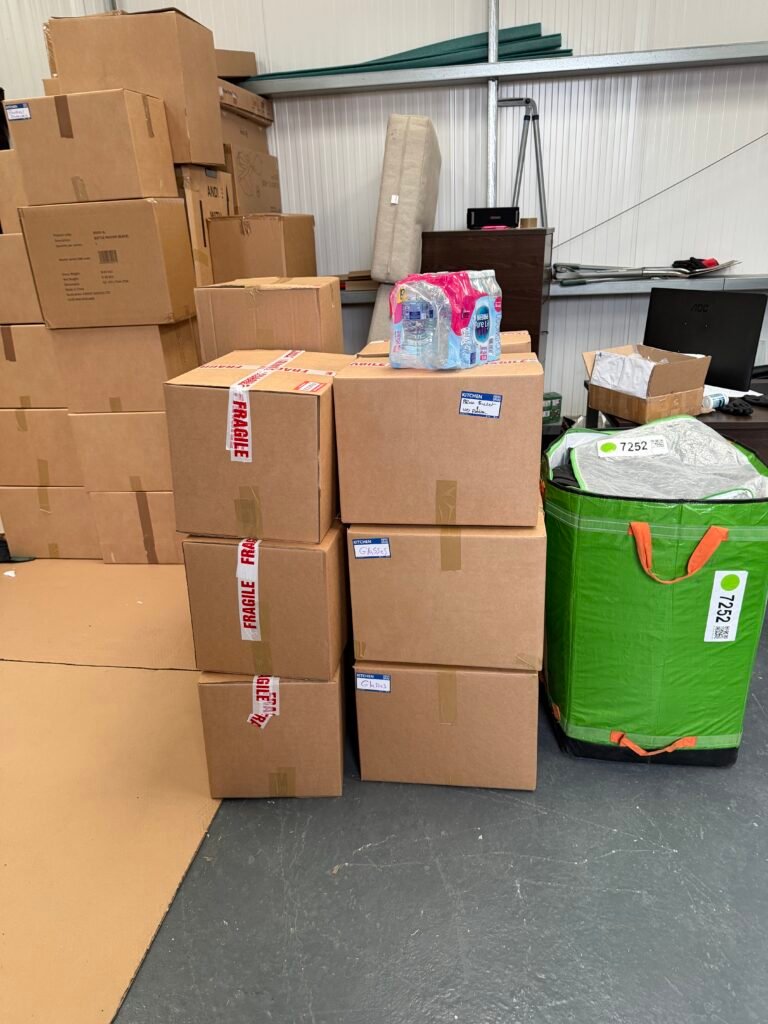
Whether you are moving house, renovating your property or simply creating more space, storing household belongings can be a practical solution. However, placing furniture, appliances and personal possessions into storage without proper preparation can lead to damage over time. Dust, moisture, temperature changes and poor packing can all affect the condition of your belongings.
If you are considering Long-Term Storage in Surrey, preparing your household items correctly is essential. Taking the time to clean, organise, pack and protect everything before storage can help keep your possessions in better condition and make them easier to retrieve when needed.
In this guide, we explain how to prepare different household items for long-term storage and share practical tips for making the most of your storage space.
1. Declutter and Organise Your Belongings
Before placing anything into storage, review your household belongings and decide which items you genuinely need to keep.
Storing unnecessary possessions can increase your storage requirements and make it harder to find important items later.
Start by sorting your belongings into four categories:
- Keep: Items you want to preserve for future use.
- Donate: Furniture, clothing and household goods that are still in good condition.
- Sell: Valuable possessions you no longer need.
- Dispose: Broken or unusable items that are unsuitable for storage.
Work through one room at a time, including bedrooms, kitchens, garages, lofts and storage cupboards.
When arranging Long-Term Storage in Surrey, decluttering beforehand can help reduce the amount of space you need and make storage more cost-effective.
2. Clean and Dry Everything Before Storage
Cleaning your belongings before storage is one of the most important preparation steps. Dirt, food residue and moisture can create unpleasant odours and may attract pests.
Before packing household items:
- Wipe furniture surfaces with suitable cleaning products.
- Vacuum sofas, chairs and mattresses.
- Clean kitchen appliances thoroughly.
- Wash clothing, curtains and removable fabric covers.
- Remove food particles from containers and kitchen equipment.
- Allow everything to dry completely.
Avoid placing damp items into sealed boxes or plastic wrapping. Trapped moisture can encourage mould and mildew, particularly when belongings remain packed for several months.
If you are preparing furniture and soft furnishings for Long-Term Storage in Surrey, ensure every item is completely dry before wrapping or covering it.
3. Use Suitable Packing Materials
Choosing the right packaging can help protect household possessions against dust, scratches and accidental damage.
Different items require different packing materials, so avoid using the same packaging method for everything.
Useful storage materials include:
- Strong cardboard boxes.
- Bubble wrap for fragile belongings.
- Packing paper for glassware and ornaments.
- Furniture blankets for large items.
- Mattress and sofa covers.
- Heavy-duty tape and labels.
- Protective corner guards for furniture.
Use sturdy boxes that can support their contents without collapsing. Avoid overfilling them, as excessively heavy boxes can be difficult to lift and may break during handling.
For fragile belongings, use enough cushioning to prevent items from moving inside their boxes.
Good-quality packing materials are particularly important when preparing belongings for Long-Term Storage in Surrey because items may remain untouched for extended periods.
4. Prepare Furniture for Long-Term Storage
Furniture requires careful preparation because large items can be vulnerable to scratches, dust and changes in environmental conditions.
Before placing furniture into storage, clean each piece and remove any loose dirt or debris.
Follow these practical steps:
Dismantle where possible: Remove table legs, bed frames, shelves and other detachable components where appropriate. Keep screws and fittings in labelled bags.
Protect surfaces: Use furniture blankets or suitable covers to reduce the risk of scratches and dust.
Avoid trapping moisture: Make sure furniture is dry before covering it.
Protect upholstered items: Use breathable furniture covers where suitable to help protect fabric from dust while reducing trapped moisture.
Store carefully: Keep furniture stable and avoid placing excessive weight on delicate surfaces.
For wooden furniture, follow the manufacturer’s care recommendations and avoid exposing it to unsuitable temperature or humidity conditions.
5. Store Electrical Appliances Correctly
Household appliances such as refrigerators, washing machines, microwaves and televisions need additional preparation before storage.
Improper preparation can cause damage, unpleasant smells or internal moisture problems.
Consider the following steps:
- Disconnect appliances safely before preparing them.
- Clean refrigerators and freezers thoroughly.
- Defrost freezers and allow them to dry completely.
- Keep refrigerator and freezer doors slightly open where safe and appropriate.
- Drain washing machines according to the manufacturer’s instructions.
- Secure loose cables and removable accessories.
- Use suitable protective packaging for televisions and electronic equipment.
For washing machines, check the manufacturer’s instructions regarding transit bolts and transportation preparation.
When organising Long-Term Storage in Surrey, confirm that your chosen facility accepts electrical appliances and understand any restrictions relating to stored equipment.
6. Protect Clothing, Bedding and Soft Furnishings
Clothing, bedding, curtains and other fabric belongings can absorb moisture and develop unpleasant odours if they are not prepared correctly.
Wash and dry these items before packing them. Avoid storing anything with stains, food residue or damp patches.
For better organisation:
- Use clean storage boxes or suitable garment covers.
- Fold clothing neatly to maximise space.
- Keep seasonal clothing in labelled containers.
- Use breathable covers for delicate fabrics.
- Store bedding in clean, dry packaging.
- Avoid compressing delicate materials for excessively long periods.
Vacuum storage bags can be useful for certain washable textiles, but they are not suitable for every fabric. Check care instructions before using compression packaging.
A little preparation can help preserve your soft furnishings and make them easier to organise when you need them again.
7. Label Boxes and Create a Storage Inventory
When belongings remain in storage for several months or years, remembering exactly where everything is can become difficult.
Clear labelling and an inventory system can save time when retrieving items.
Write the following information on each box:
- Room or category.
- General contents.
- Fragile or handling instructions.
- Storage box number.
You can also create a simple digital inventory using a spreadsheet or notes application.
For example:
| Box Number | Contents | Category |
| 01 | Plates, cups and glassware | Kitchen |
| 02 | Winter clothing | Bedroom |
| 03 | Books and documents | Study |
| 04 | Decorative ornaments | Living room |
| 05 | Bedding and towels | Bedroom |
Taking photographs of valuable belongings before storage can also help you keep a record of their condition.
8. Choose the Right Storage Facility in Surrey
Preparing belongings properly is only one part of successful storage. Choosing a suitable facility is equally important.
Before booking Long-Term Storage in Surrey, consider the following factors:
Security: Ask about CCTV, access controls, alarms and general site security.
Cleanliness: Look for a facility that maintains clean and well-managed storage areas.
Moisture management: Ask how the facility manages dampness, ventilation and environmental conditions.
Access arrangements: Understand when and how you can retrieve your belongings.
Storage space: Choose a unit that provides enough room for your furniture and boxes without overcrowding.
Pricing: Check rental periods, payment arrangements and any additional charges.
Insurance: Ask what insurance is available and whether your belongings need separate cover.
It is also important to check whether the facility accepts particular items. Hazardous materials, perishable goods and certain restricted belongings may not be permitted.
9. Make a Plan for Access and Future Retrieval
Long-term storage should make managing your possessions easier, not more complicated.
Before placing everything into storage, think about which belongings you may need sooner than others.
Keep frequently needed items accessible rather than placing them at the back of a unit. Arrange boxes in organised sections and leave safe access routes where possible.
You should also:
- Keep an inventory of stored belongings.
- Store important documents securely and separately.
- Keep keys, access codes and storage agreements safe.
- Review your storage requirements periodically.
- Check the facility’s access and retrieval procedures.
These simple steps can help you manage your belongings efficiently throughout the storage period.
Arrange Long-Term Storage in Surrey with White Glove Surrey
Preparing household belongings for storage requires careful cleaning, packing and organisation. Choosing suitable storage arrangements can help protect your furniture, appliances and personal possessions while keeping them accessible when needed.
White Glove Surrey offers moving solutions designed to help homeowners and businesses manage their relocations with greater convenience. From careful handling and transportation to additional moving support, professional assistance can make the entire experience more organised.
Whether you need storage while renovating, moving house or creating additional space, White Glove Surrey can discuss your requirements and help you plan your next steps.
Call +44 1372 613 010 to request a free, no-obligation quote, or visit White Glove Surrey and use the quick enquiry form to get started.
Frequently Asked Questions
1. How should I prepare household items for long-term storage?
Start by decluttering, cleaning and drying your belongings. Use suitable packing materials, protect furniture, label boxes clearly and create an inventory before placing items into storage.
2. What is the best way to protect furniture in long-term storage?
Clean and dry furniture thoroughly, dismantle removable components where appropriate and use suitable protective covers. Avoid trapping moisture and follow the recommended storage conditions for each material.
3. Can electrical appliances be kept in long-term storage?
Yes, many household appliances can be stored if they are prepared correctly. Clean and dry them, disconnect them safely and follow the manufacturer’s storage instructions. Check that the storage facility accepts electrical equipment.
4. How do I prevent mould and dampness in stored belongings?
Ensure all items are completely dry before packing, avoid sealing damp belongings and use suitable breathable covers where appropriate. Choose a storage facility with good moisture-management arrangements and follow its guidance.
5. Is long-term storage useful when moving house in Surrey?
Yes. Long-term storage can be useful if your new property is not ready, you are renovating, downsizing or moving in stages. It provides additional space while you organise your relocation and household belongings.